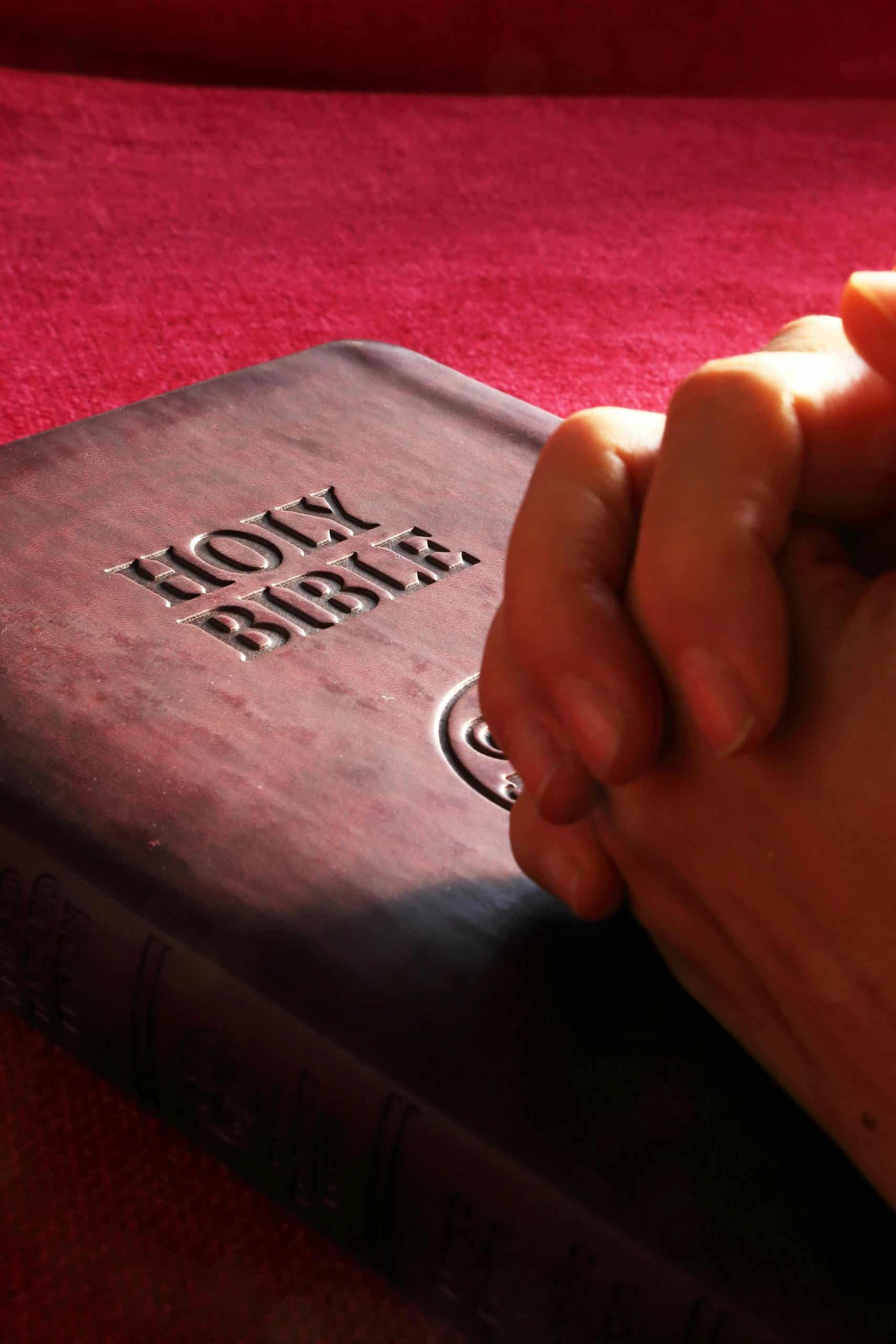
Small groups help us grow together, while our new Family Worship Guide will help carry that growth into our homes and throughout the week.
As we begin another season of small group ministry, I encourage every member of our church to consider getting plugged into a group. Sunday worship is at the center of our life together as God’s people, but the Christian life was never meant to be lived only in a large gathering once a week. We need one another. We need places where we can know and be known, study God’s Word together, pray for one another, and encourage one another through life’s joys and difficulties.
The New Testament repeatedly describes the Christian life in terms of these “one another” relationships: “encourage one another and build one another up” (1 Thessalonians 5:11), “bear one another’s burdens” (Galatians 6:2), and “consider how to stir up one another to love and good works” (Hebrews 10:24). These things can happen informally throughout the life of the church, but small groups provide a regular place for those relationships to deepen.
One reason small groups matter is that very few of us grow well on our own. We need the Word of God, certainly, but God also gives us brothers and sisters who help us understand that Word and live it out. We need people who will pray with us when we are struggling, rejoice with us when God answers prayer, and remind us of Christ’s promises when our faith is weak.
Jim Miller recently described what small group ministry has meant to him:
“Small group ministry has been important to me for a few reasons. First, in-depth Bible study with other serious students of God’s Word. Second, it helps me build and maintain friendships with other members of the church. In that way, it deepens my sense of connection to our congregation as we study and pray together over time. I’ve been able to learn from very Christlike and wise Christians and their example has been invaluable to me.”
I especially appreciate that final thought. One of God’s great gifts to us in the church is the opportunity to learn not only from the teaching of other Christians, but also from their lives. Younger believers need mature believers. Those who are struggling can benefit from the encouragement of Christians who have walked through similar seasons. All of us need to see what ordinary faithfulness looks like over the course of years: repentance, prayer, perseverance, and continued trust in Christ.
You do not need to be a Bible expert to join a small group, nor do you need to have everything in your life together. You simply need to come. Bring your Bible and your questions, and give other believers the opportunity to know you as you get to know them. If you have not been part of a small group recently, I hope you will make it a priority this year. It may feel like one more commitment on an already busy calendar, but it can become an important place where God uses his Word and his people to help us grow.
Alongside our small groups, we are introducing a new Family Worship Guide. In the coming weeks, you will begin to see it on the back of the Sunday worship bulletin. It is designed to help us continue reflecting throughout the week on the goals we have been emphasizing through our Touchpoints: maturing in Christ and being increasingly conformed to his image in our priorities, attitudes, and behaviors.
Each week, the Family Worship Guide will include short Scripture readings, insights from various Reformed catechisms, and questions for reflection and discussion. You can use it at the dinner table, during family worship, with a spouse or friend, or in your personal devotions. This is not intended to add another burdensome activity to an already busy week. Rather, it is meant to give us an easy way to keep thinking about what we are learning together and to bring God’s Word more deliberately into the rhythms of the week.
Whether it is through worship on the Lord’s Day, gathering with a small group, or using the Family Worship Guide during the week, the goal is the same. We want to mature in Christ. We want the gospel to shape not only what we believe but also our priorities, our attitudes, and the way we live.